
Spark Emission Spectroscopy (OES)
Spark emission spectroscopy (OES) determines the elemental composition of metallic materials. It provides analytical data for materials testing, incoming goods inspection, and the investigation of material deviations.
Table of Contents

Contact us –
expert support is just a conversation away.
Using state-of-the-art analytical methods, we assist you with quality issues, damage claims, and development challenges – providing precise, well-founded, and solution-oriented support.

What is spark emission spectroscopy?
Spark emission spectroscopy is a method of optical emission spectrometry (OES) used to determine the elemental composition of metallic materials. It detects major alloying elements and trace elements and determines their concentrations. Which elements can be analyzed depends on the material and the analysis program used.
To do this, electrical sparks are generated on a prepared sample surface. The excited atoms emit characteristic light, from which the elemental contents can be determined. The results allow for comparison with the specified alloy composition and help identify material mix-ups or deviating elemental contents.
Spark Emission Spectroscopy
at Quality Analysis
We analyze metallic components, semi-finished products, and material samples. We compare the determined elemental contents with standards, the steel classification system, or your material specifications. In this way, we support you with material approvals, potential material mix-ups, and quality deviations.
- Alloy Analysis: Testing of materials based on iron, aluminum, copper, zinc, magnesium, titanium, cobalt, and nickel
- Determining Element Content: Analyzing primary alloying elements and trace elements—depending on the material and analysis program
- Verifying specifications: Comparison with standards, steel grades, or customer-specific limit values
- Comparing materials: Investigating differences between supplier materials, batches, or reference samples
- Prepare samples: Prepare suitable analysis surfaces according to the material and sample geometry
- Document results: Record element concentrations and agreed-upon evaluation in the analysis report
How does Spark Emission Spectroscopy work?
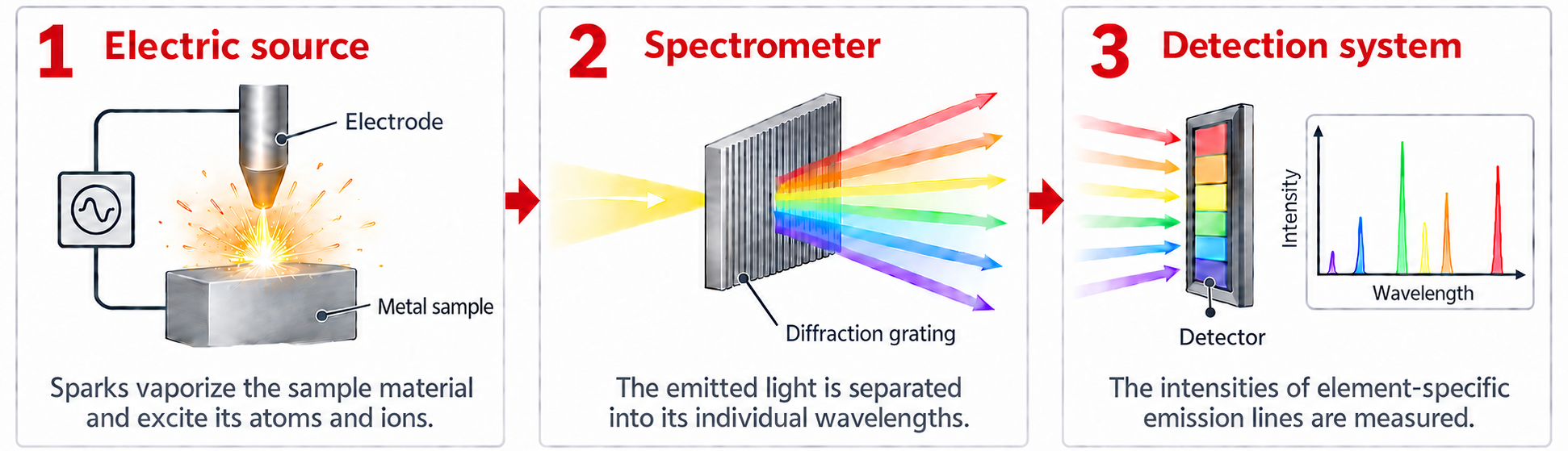
In spark emission spectroscopy, three components work together:
- An electric source generates sparks that vaporize the sample material and excite the atoms and ions it contains. This produces optical emission.
- The spectrometer separates this light into its individual wavelengths using a diffraction grating.
- A detection system measures the intensities of the element-specific emission lines. The elemental concentrations in the sample are determined from these signals using a calibration.
Note: For liquid or pre-digested samples, ICP-OES is another method of optical emission spectrometry available. In this method, excitation is provided by an inductively coupled plasma.
The advantages of Spark Emission Spectroscopy
We use spark emission spectroscopy to determine the elemental composition of metallic materials. The results assist you in material testing, verifying compliance with material specifications, and investigating quality deviations.

Precise determination of low element concentrations
In addition to major alloying elements, spark emission spectroscopy detects carbon, sulfur, phosphorus, boron, and nitrogen—even at low concentrations, depending on the material and analysis program. This allows for the detection of undesirable element concentrations. The rapid analysis is also suitable for batch testing.

Suitable for various metal samples
Whether solid material, wire, or small components: Spark emission spectroscopy determines the elemental composition of metallic samples—including for material evaluation in metal recycling. This requires a suitable sample geometry and a prepared, electrically conductive analysis surface.
Where is OES used?
Spark emission spectroscopy supports materials testing, incoming goods inspection, and damage analysis. We determine the alloy composition of metallic samples and verify it against standards or customer specifications. In combination with metallographic examinations and other testing methods, material deviations and possible causes of damage can be evaluated.
Medical Technology
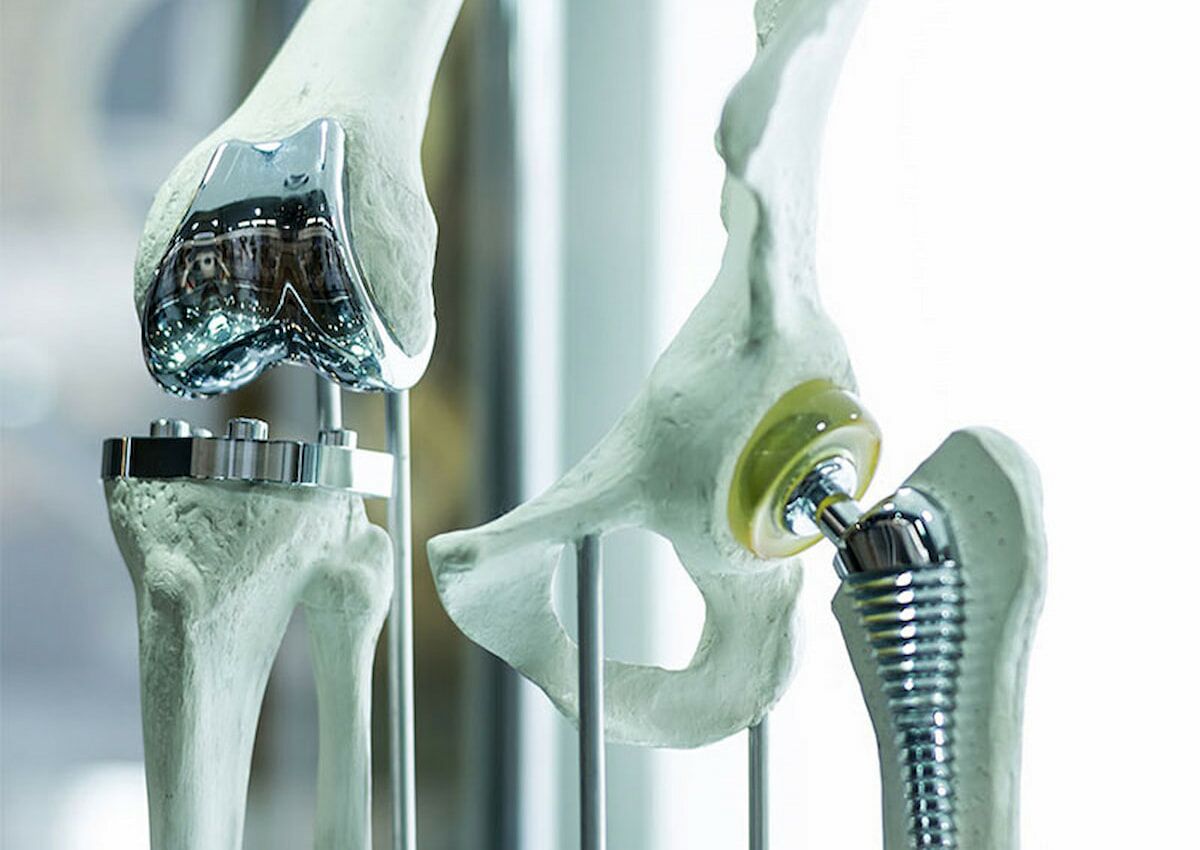
For metallic implants, instruments, and device components, OES supports the verification of alloy composition. The results enable comparison with material specifications and complement metallographic examinations, for example, in cases of material mix-ups, quality deviations, or damage incidents.
Additive Manufacturing
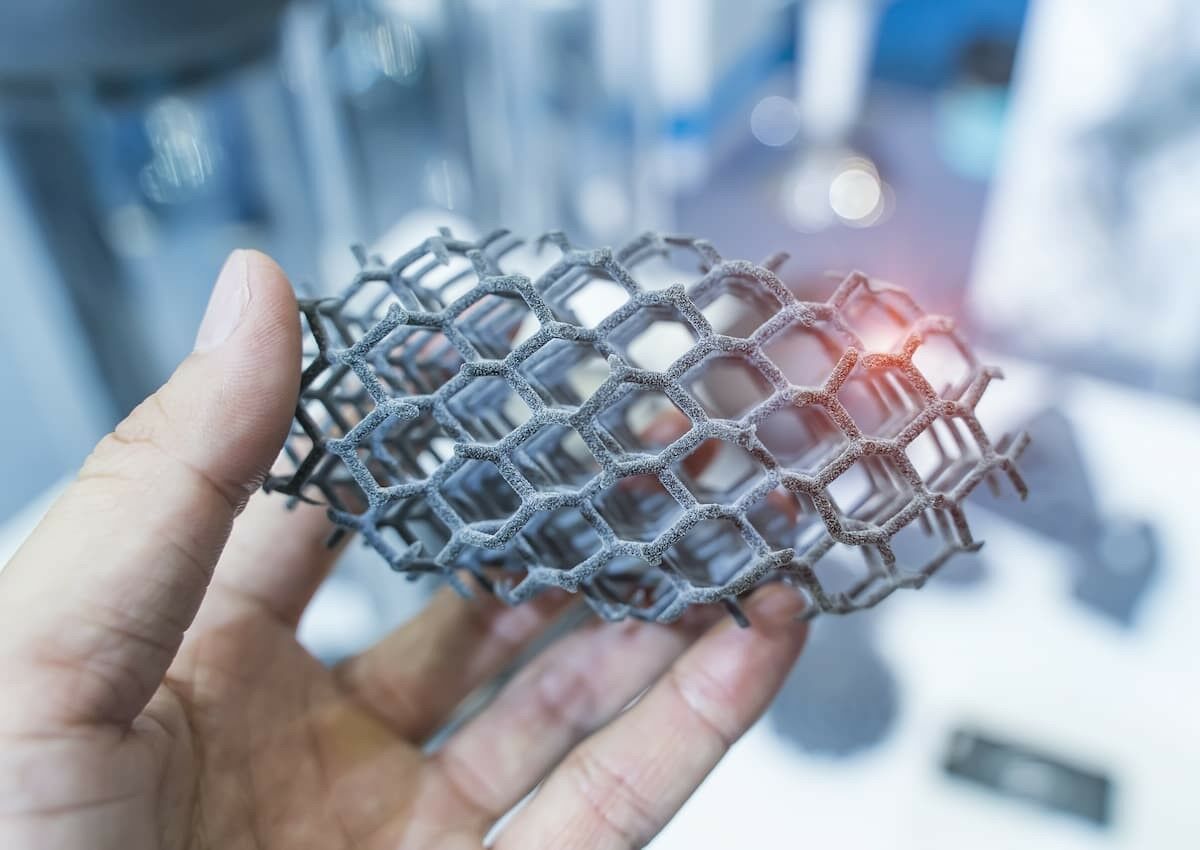
For metal components manufactured using additive manufacturing, OES enables the verification of chemical composition. This allows for the detection of deviations from the intended alloy. Together with microstructure, hardness and defect analyses , it supports the evaluation of component quality and the investigation of manufacturing deviations.
Electronics Manufacturing
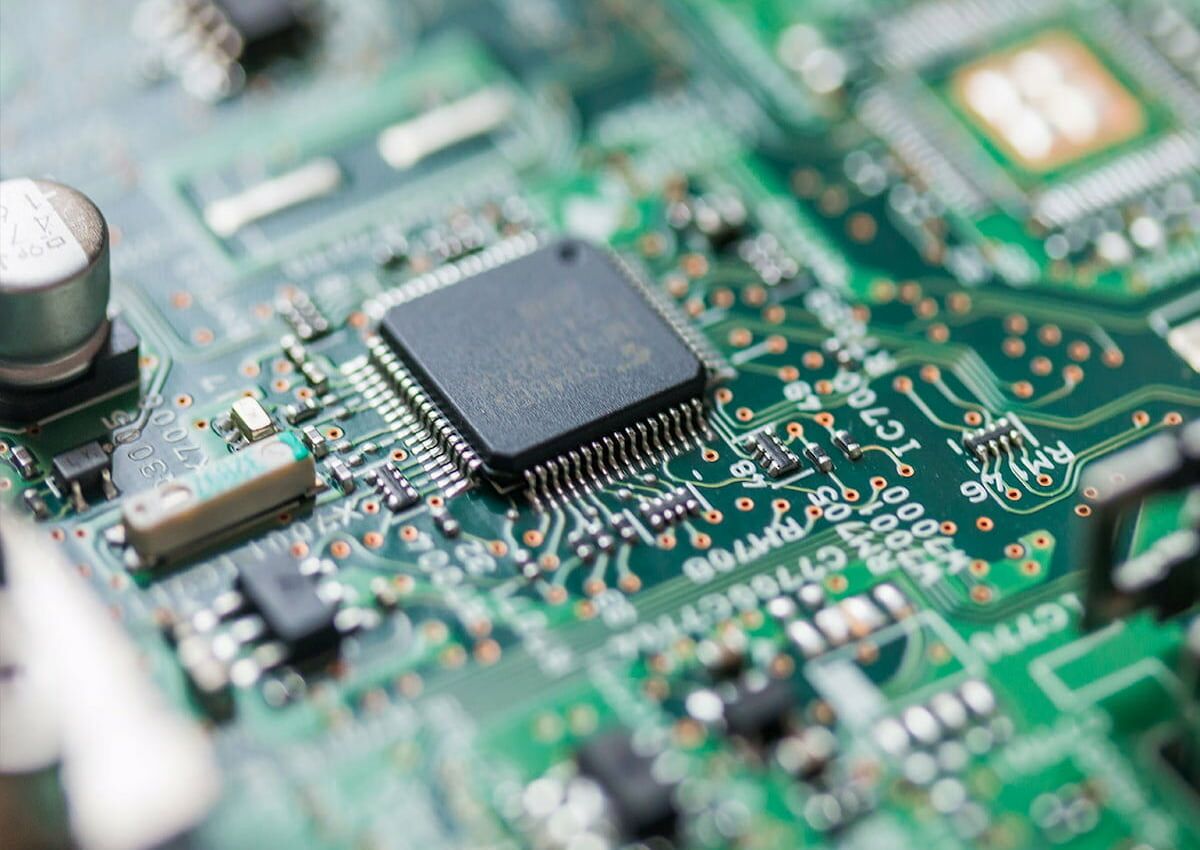
For suitable metallic components such as contacts, connectors, or housings, OES supports the testing of the alloy used. Comparing the results with material specifications helps identify material mix-ups and deviations in element content. In the event of damage, the analysis complements further investigations to determine the cause.

Automotive
For metallic vehicle components, OES supports material inspection during incoming goods processing and in cases of quality deviations. The determined alloy composition is compared with the required material specifications. In damage analysis, it helps determine whether a deviating composition could be a contributing factor.
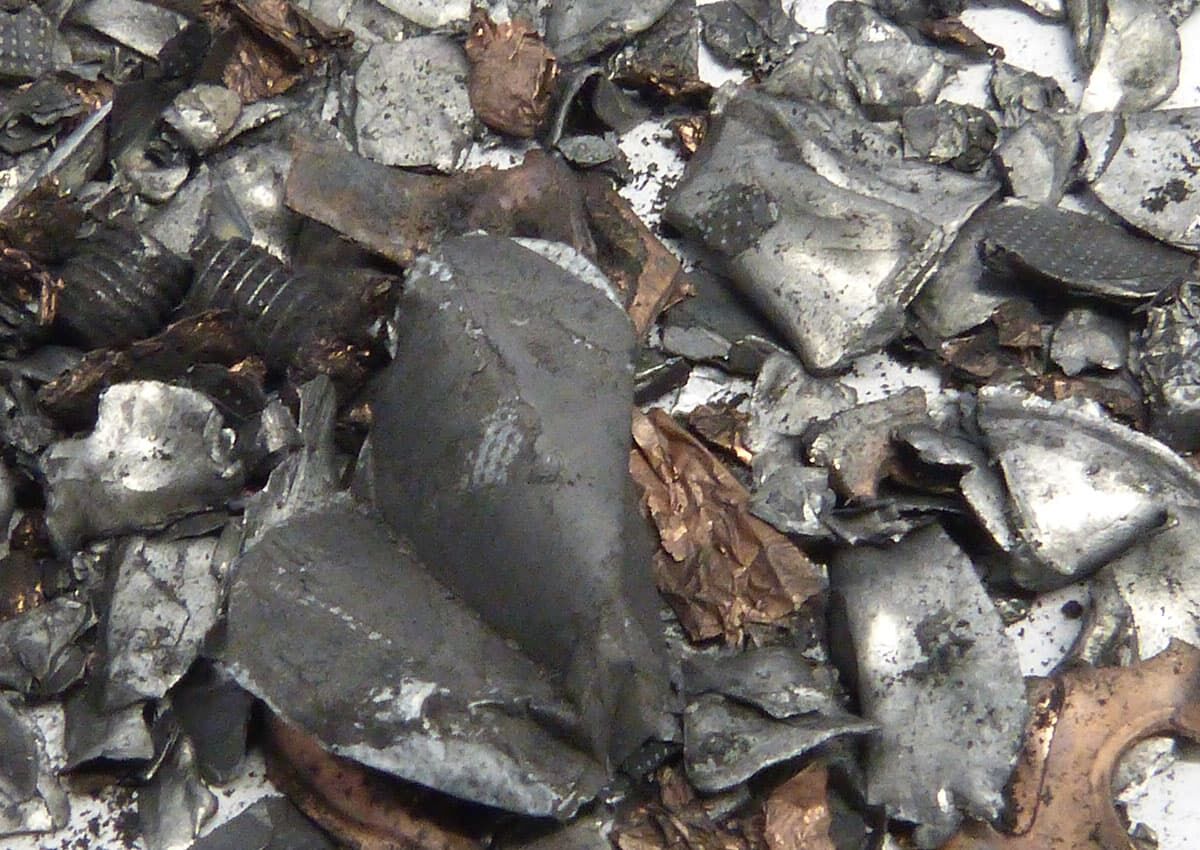
Metal Recycling
In metal recycling, OES helps identify and classify metallic materials based on their alloy composition. The results help evaluate recycled materials and detect undesirable element levels. Suitable solid samples with a prepared analysis surface are analyzed.
Summary: Spark Emission Spectroscopy
Optical emission spectroscopy (OES) enables the rapid determination of the elemental composition of metallic materials. At Quality Analysis, we compare the determined alloy contents with standards or customer specifications and document the results. In this way, OES supports materials testing, incoming goods inspection, and damage analysis. Supplementary microstructure and hardness tests help evaluate material deviations and possible causes of damage.