
Your Benefits with Quality Analysis

PFAS Sum Parameters
Reliably Detect Fluorine Loads

Assessing Risks
Conducting a thorough assessment of PFAS contamination

Regulatory Compliance
Comply with REACH, RoHS, and EU requirements

Ensuring Quality
Evaluating Products, Raw Materials, and Processes
At a glance
PFAS-Analytics at Quality Analysis
- Determination of the sum parameters TF, TOF, AOF, and EOF for the quantification of bound fluorinated compounds
- Detection of fluorinated compounds using Combustion ion chromatography (CIC)
- Analysis of a wide variety of matrices: water, wastewater, soil, sewage sludge, plastics, and biological samples
- Determination of AOF according to DIN 38409-59 for the rapid and reliable screening of absorbable organic fluorine compounds in water samples
- Determination of EOF for the detection of extractable organically bound fluorine compounds in solids
- Analyses in accordance with ASTM D7359-23 and ASTM D5987-96(2007)
Which PFAS parameters are measured?
TF (Total Fluorine)
The total fluoride content (TF) describes the total amount of fluoride present in a sample—regardless of whether it is bound in organic or inorganic form. This parameter serves as an initial indicator of fluoride-containing compounds.
TOF (Total Organic Fluorine)
TOF measures the total amount of organically bound fluorine in a sample. This parameter provides important information about the presence of organic fluorine compounds, including PFAS.
AOF (Adsorbable Organic Fluorine)
AOF describes the amount of adsorbable organic fluorinated compounds in water samples. The determination is performed in accordance with DIN 38409-59 and serves as a rapid screening method for potential PFAS contamination.
EOF (Extractable Organic Fluorine)
EOF quantifies extractable organically bound fluorinated compounds in solids and complex matrices. The method enables a comprehensive assessment of fluorinated organic compounds that can be made accessible through appropriate extraction methods. The combination of these total parameters allows for a significantly more comprehensive assessment than the analysis of individual PFAS compounds alone.
Contact us –
expert support is just a conversation away.
Using state-of-the-art analytical methods, we assist you with quality issues, damage claims, and development challenges – providing precise, well-founded, and solution-oriented support.

Applications for PFAS analytics
PFAS analytics is necessary in many sectors and areas to remain productive, also in future. It provides the necessary verification for listing as PFAS-free or the necessary knowledge for making changes to the constituents of your product.
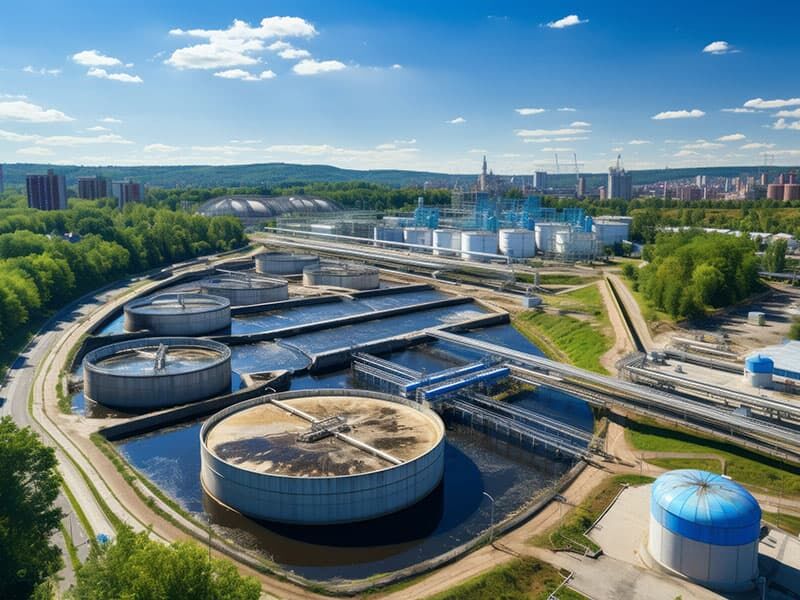
Environmental and water management
PFAS analytics makes it possible to determine the sum parameter AOF in accordance with DIN 38409-59 for the quick, reliable screening of the adsorbable organically bound fluorine in water samples, which is crucial for drinking water safety and the protection of aquatic ecosystems. Our precise analytical methods assist environmental authorities and water utilities in ensuring compliance with regulatory limits.
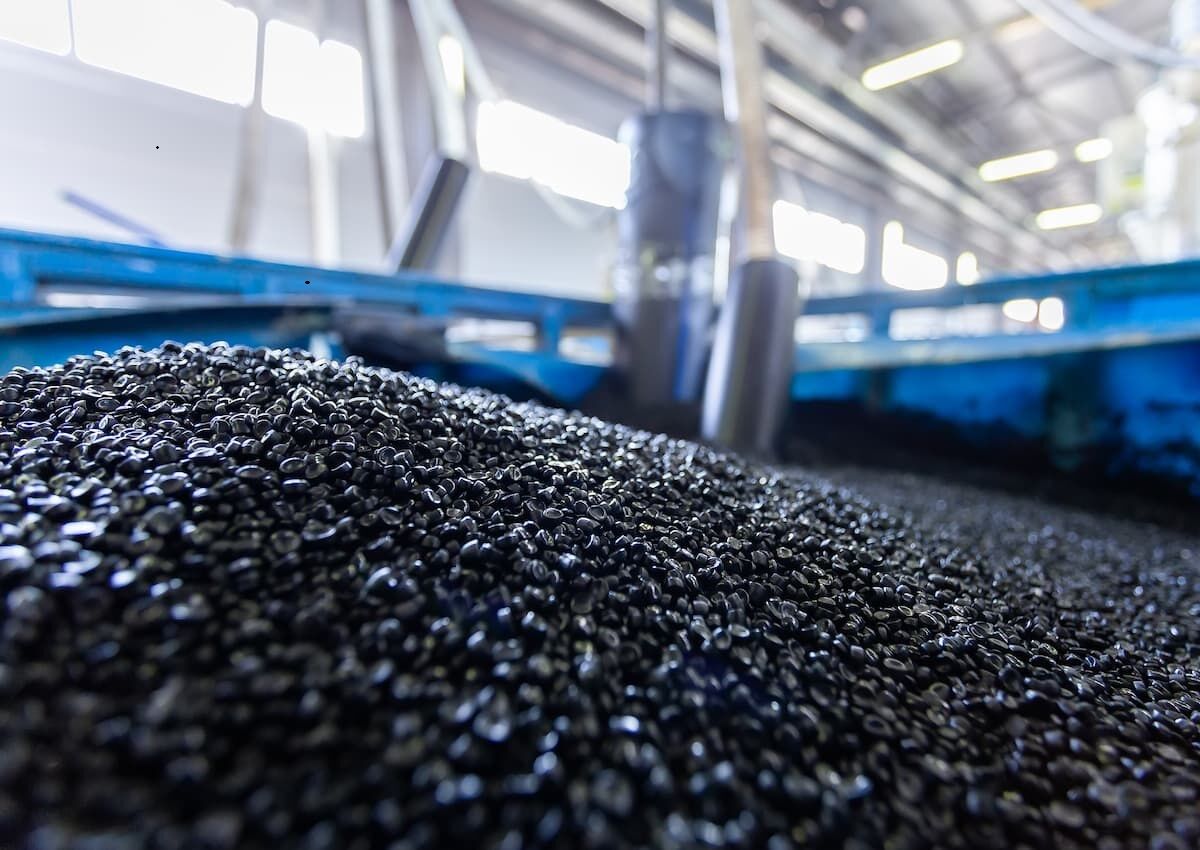
Plastics industry
PFAS analytics is essential in the plastics industry for detecting and preventing PFAS contamination in plastics to ensure the safety and quality of products. Our analytics support compliance with safety standards and promote the development of materials that are less harmful for the environment.

Paper and packaging industry
Burger boxes, bags for fries, paper for wrapping sandwiches, as well as disposable cutlery are but a few examples of packaging materials that may be treated with PFAS. Our precise analytical methods support the industry during compliance with strict safety standards and the protection of the health of consumers.

Cosmetics industry
By means of our analytics, the manufacturers of cosmetics can ensure that their products comply with the strictest health and safety standards and are free of undesirable chemicals. Whether sunscreen, shampoo or makeup: our analytics help to identify the presence of organically bound fluorine compounds in numerous cosmetic articles or to certify freedom from PFAS.

Automotive
We support manufacturers and suppliers during the verification of the total fluorine levels in various components such as seals, coatings and lubricants. Our precise analyses help to ensure compliance with strict environmental regulations and promote the development of PFAS-free alternatives.

Textile industry
In the textile industry, compliance with environmental standards and the safety of textile products, in particular those with water-repellent and stain resistant materials, is of major importance. With our specialised PFAS analytics, we help manufacturers to confirm and ensure their products are free of PFAS.
Frequently asked questions about PFAS Analytics
PFAS (per- and polyfluoroalkyl substances) are found in many industrial and consumer products. Their durability and longevity, however, lead to accumulation in the environment and in living organisms, which has resulted in growing regulatory requirements and bans. The analysis of PFAS is therefore imperative to ensure compliance with these statutory regulations and to monitor the proliferation and concentration of these chemicals.
PFAS are industrially manufactured organic compounds in which the hydrogen atoms bound to the carbon are completely (perfluorinated) or partially (polyfluorinated) replaced by fluorine atoms. Due to this structure, PFAS have special chemical and physical characteristics. They are, for instance, water and oil-repellent and therefore particularly useful in industrial applications. They are also very stable, which in turn results in their high persistence, that means they are difficult to break down and are, in the meantime, omnipresent in the environment and living organisms. For this reason they are also termed "forever chemicals".
They are used in many areas, including environmental monitoring, foodstuff and water quality tests, product inspection and industrial quality assurance. In environmental and water management, PFAS analytics play a key role because they help to monitor and secure the quality of water resources. This is particularly relevant during the analysis of drinking water and surface water for PFAS contamination. In the plastics industry, these analytics are used to ensure the safety of plastic products, in particular products that are in direct contact with foodstuffs or the skin. Furthermore, during the evaluation of soil samples PFAS analytics permits precise assessment of soil quality, above all in regions potentially affected by industrial pollution. These analyses are crucial for ensuring compliance with environmental standards and designing production processes so they are sustainable.
The substance group PFAS includes many thousands of individual substances, up to now de minimis thresholds have only been introduced for a few – there is therefore no evaluation framework available for many compounds. Also, for many applications it is still unknown which PFAS are used and which transformation and decomposition products are produced. It would therefore be necessary to test a sample for tens of thousands of individual compounds to obtain informative results by means of individual substance analytics. One can imagine: this testing would not only be time-consuming, it would also involve very high costs. Sum parameters, on the other hand, offer an efficient means of obtaining a comprehensive picture of PFAS levels, which is particularly advantageous in industrial applications.
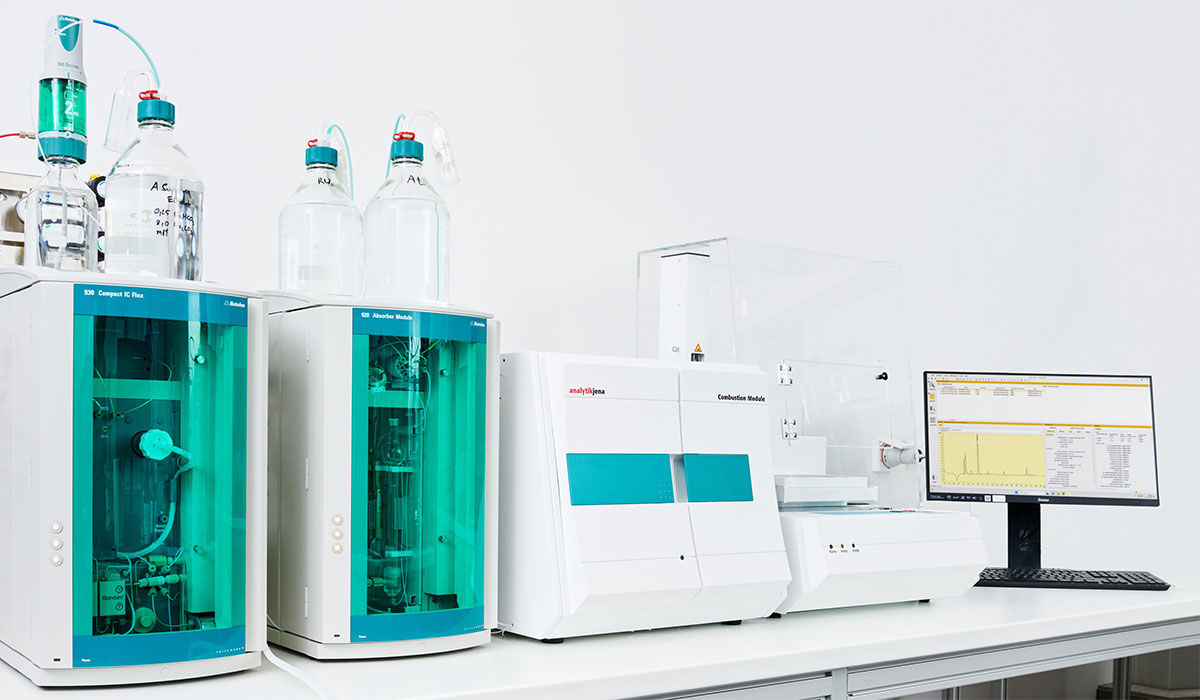
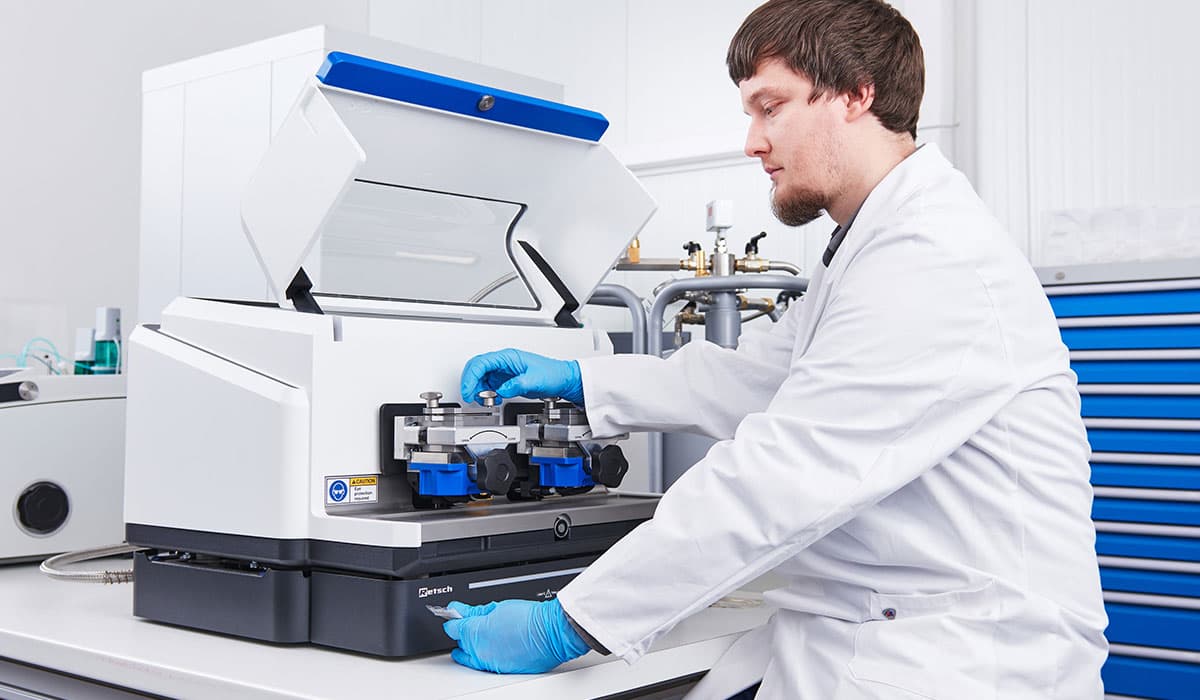
Technical equipment in our laboratory
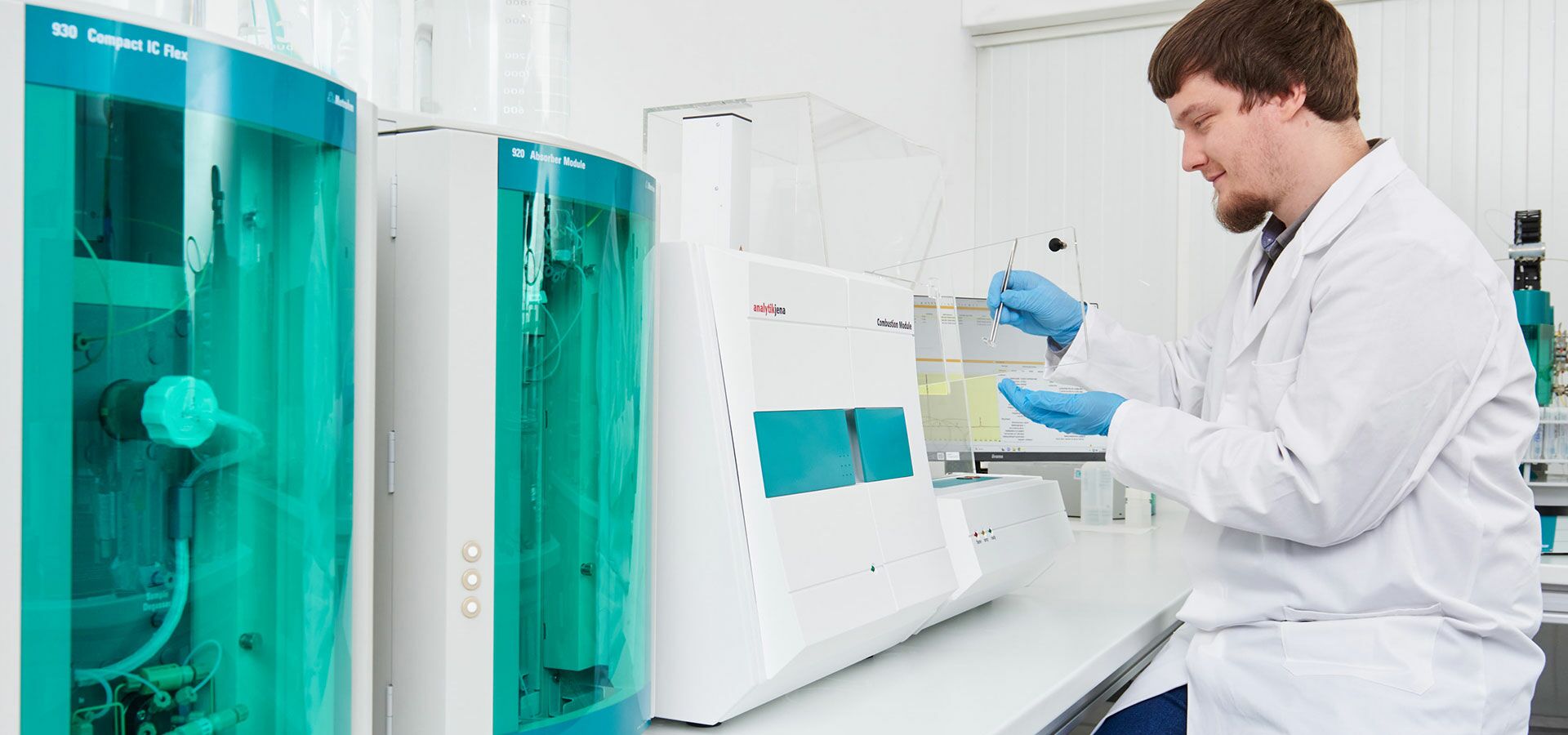
Our laboratory is equipped with the latest technology for the precise analysis of PFAS. A key element of our PFAS analytics is Combustion ion chromatography (CIC), which makes possible the exact determination of the total fluorine. This figure is crucial for the indirect verification of PFAS in numerous samples.
In addition, we use advanced techniques for sample preparation, including solid-phase extraction, to isolate PFAS efficiently from complex matrices. This combination of state-of-the-art equipment and specialised methods ensures the highest accuracy and reliability of our PFAS analyses.
Added Value in Quality Analysis
Speed
We can provide you with accurate analyses even on short notice. We have both the necessary personnel and the appropriate systems for determining total PFAS parameters.
Quality
We provide high-precision analyses to determine the PFAS total parameters TF, AOF, EOF, and TOF. In doing so, we rely on the highest level of technical expertise and adhere to scientific and regulatory standards.
Analysis Systems
Our technical equipment is fully designed for the precise determination of total PFAS parameters. For sample preparation and PFAS analysis, we rely on state-of-the-art analytical systems from Metrohm.
Accreditation
The accreditation of our testing methods and laboratory facilities ensures safety, reliability, and objective analysis results.
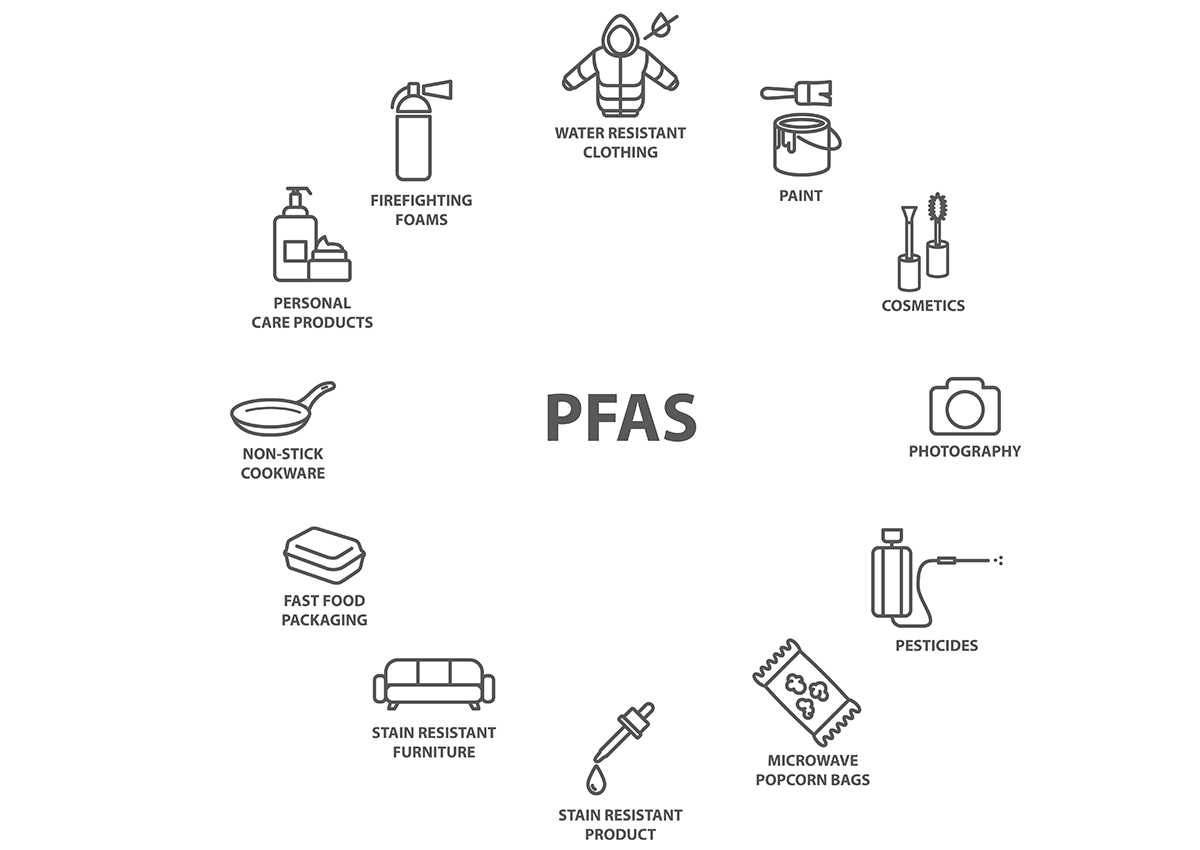
Challenges of PFAS analytics
During PFAS analytics, it is necessary to take into account, on the one hand, the diversity of more than 10,000 different compounds and the often low concentrations of these chemicals in different environments. On the other hand, the characteristics of PFAS can vary depending on the matrix, which affects the accuracy of the analysis. As a consequence, it is difficult and time-consuming to determine the exact structures and concentrations of all these compounds in samples. Against this background, sum parameter methods are of major importance because they offer a comprehensive overview of the PFAS levels - without the need to specify every single compound. They are therefore essential for an effective risk assessment and for compliance with verification limits.
Accredited test laboratory
for Chemical Analytics
Quality Analysis, as an independent and accredited test laboratory, can assist you during the verification of the presence or absence of PFAS in your samples and during the manufacture of certified, PFAS-free components. Our laboratory is accredited as per DIN EN ISO/IEC 17025 by Deutsche Akkreditierungsstelle GmbH (DAkkS). As one of the leading European test laboratories in this area, we have achieved successful accreditation for all relevant specialist areas.
You can read more about the advantages our accreditation offers you here:

Quality Analysis
the right partner
for PFAS analytics
What can we measure and analyse for you?
We would be pleased to advise you about the numerous possibilities and combined analytical methods. The goal: the best, most cost-effective and most efficient analysis of your component.