
Ion chromatography
Ion chromatography (IC), also known as ion-exchange chromatography, is a highly precise analytical separation technique that separates ions based on their charge, thereby enabling their detection and quantification in liquids. As a key method in analytical chemistry, it is used for the reliable determination of charged compounds in samples.
Table of contents
Contact us –
expert support is just a conversation away.
Using state-of-the-art analytical methods, we assist you with quality issues, damage claims, and development challenges – providing precise, well-founded, and solution-oriented support.

How does ion chromatography work?
Ion chromatography, like all chromatographic separation methods, is based on the principle of ion exchange. A sample containing dissolved ions is injected into a separation column filled with a stationary phase known as an ion exchanger. As the mobile phase (eluent) transports the sample through the column, the ions in the sample compete with the ions in the eluent for the binding sites on the ion exchanger. The separation of ions occurs due to their different affinities for the stationary phase: ions with lower binding strength elute from the column faster than those with stronger binding. At the end of the column, the separated ions are detected by a detector (typically a conductivity detector). In most cases, a suppressor is used upstream to reduce the conductivity of the eluent and thereby increase the sensitivity of detection.
The critical role of the eluent in ion chromatography
The eluent is the mobile phase in ion chromatography. It acts as the transport medium that carries the ions to be separated through the separation column. At the same time, it plays a key role in governing the interactions between the analytes and the stationary phase, thereby directly influencing the separation process. The different migration rates of the ions arise from their varying affinities for the stationary phase and the eluent, enabling effective separation. The selection of an appropriate eluent and a suitable separation column is therefore crucial, as both must be carefully matched to achieve optimal separation performance. The interplay between analytes, stationary phase, and eluent represents a sensitive equilibrium: changes in any of these parameters can significantly affect the separation conditions and thus the overall performance of the method.
Ion chromatography
this is what Quality Analysis can do for you
- Qualitative and quantitative evaluation of ionic contamination on printed circuit boards and electronic assemblies (IPC-TM-650 2.3.28)
- Verification of inorganic ions
- Routine checks on process water, cleaning baths, electroplating baths, water-mixed cooling lubricants
- Analytics in battery research/recycling

Testing in accordance with established standards and customer-specific requirements
Your sample is analyzed based on established standards, such as IPC-TM-650, as well as your individual, customer-specific testing requirements. Working closely with you, our experts will determine the most suitable analytical method to reliably and efficiently address your specific needs. All results are documented in a detailed and transparent test report that provides you with clear, practical insights. Upon request, we can also perform the analysis of your sample on short notice and with high priority.
The IC System: Structure and Workflow
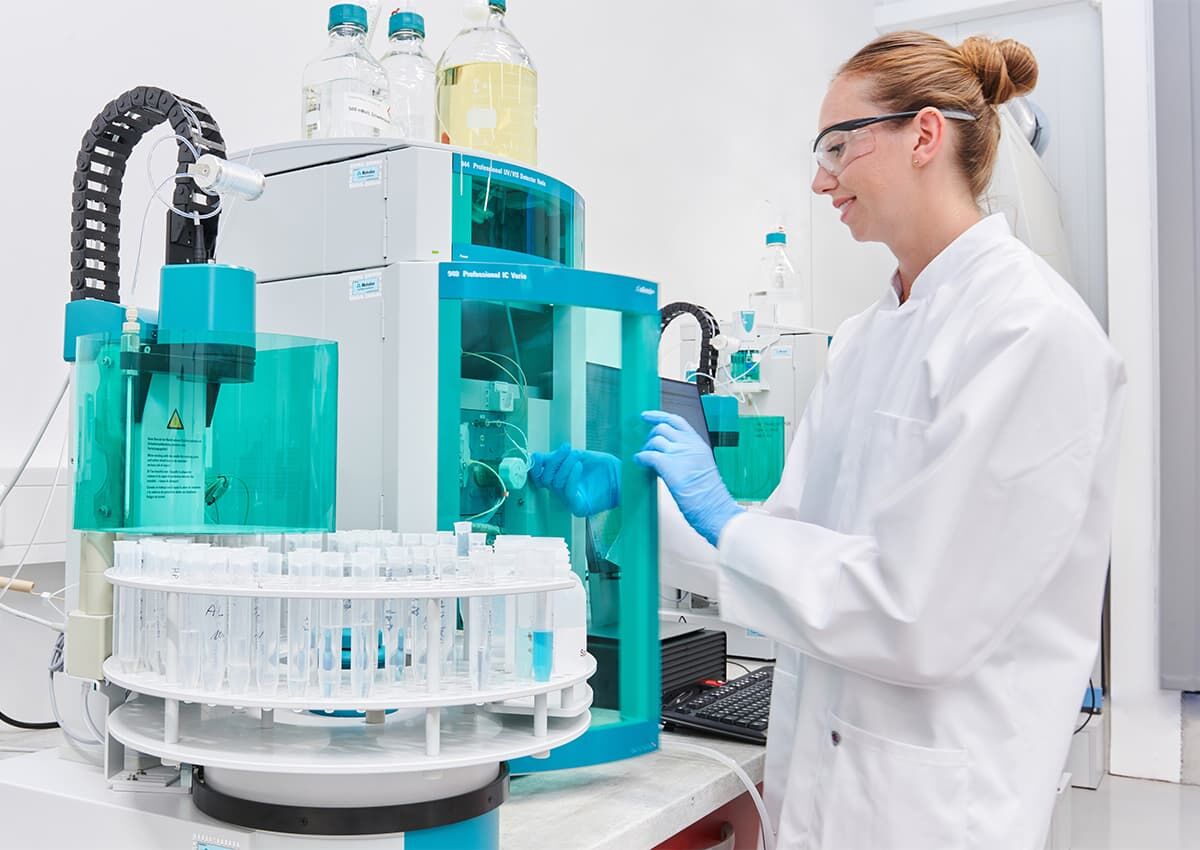
An IC system is the complete instrument used for ion chromatography. It consists of several core components that work seamlessly together to precisely analyze ions. These include the pump, which transports the mobile phase through the entire system. The selection of the eluent (e.g., carbonate or hydroxide eluents for anions, or diluted acids for cations) is specifically tailored to the ions being separated and determines the separation conditions within the column. The injector then introduces the sample into the eluent stream.
Separation column, suppressor, and detector
The sample then enters the separation column, whose stationary phase is often made of a specialized polymer resin. This is where the actual separation takes place: ions migrate through the column at different speeds depending on their interaction with the stationary phase. After the column, a suppressor reduces the background conductivity of the eluent and enhances detection sensitivity before the separated ions reach the conductivity detector. The detector records their signals, which are then transmitted to a computer for data acquisition and evaluated as a chromatogram.
Cation and anion chromatography
A key feature of ion chromatography is its flexibility in adapting to the type of ions being analyzed. A distinction is mainly made between cation chromatography and anion chromatography. Depending on the separation column used, the stationary phase carries functional groups with defined charges: negatively charged groups bind cations, while positively charged groups bind anions. This allows positively charged ions (cations) and negatively charged ions (anions) to be selectively separated and subsequently quantified.
High-performance liquid chromatography (HPLC)
In high-performance liquid chromatography (HPLC), the substances to be analyzed are efficiently separated under high pressure and can be precisely identified and quantified using standards. To identify an unknown substance, its retention time is typically compared with that of a known standard. Quantification is carried out by comparing the peak areas of the sample with those of standards of known concentration, usually via a calibration curve, enabling reliable determination of the analyte concentration.
Practical application of ion-exchange chromatography
Ion chromatography is used in numerous areas for the verification of contamination. In particular, ionic contamination can be separated particularly well into its individual substances using this method which is why it is a commonly used method for ensuring technical cleanliness verification. However, the method is also valuable in water analytics such as during the detection of undesirable leachates, for example nitrite.
Semiconductor industry
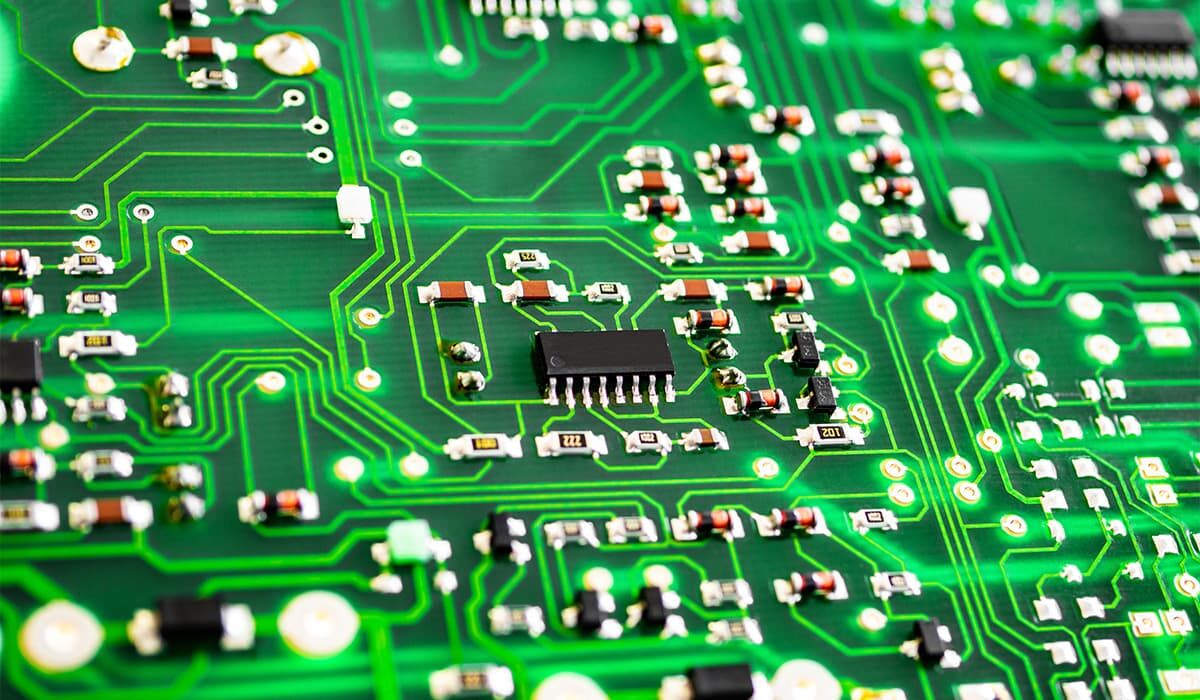
The semiconductor industry is continuously challenged to control ionic contaminants, particularly at trace levels, as these can significantly impair the functionality and reliability of components. Ion chromatography is a key analytical method for the selective determination of such ionic contamination.
In contrast to aggregate parameters, it enables specific single-ion analysis, allowing individual anions and cations (e.g., chloride, sulfate, or sodium) to be separated and quantified.
Electroplating industry
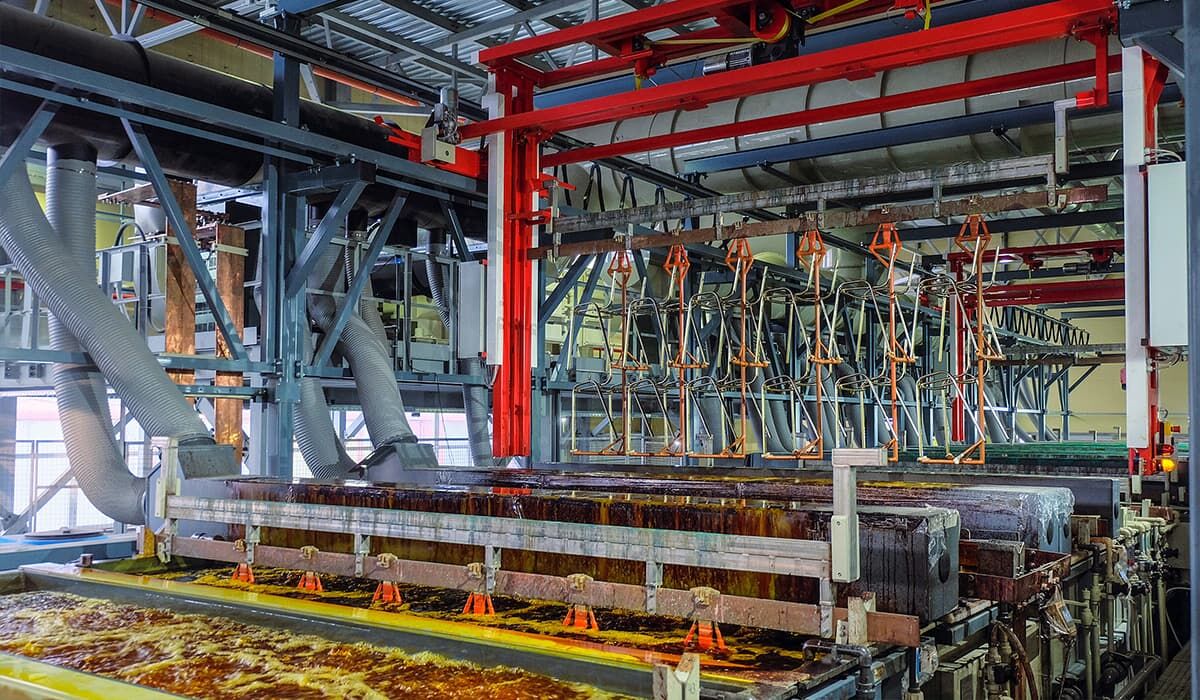
Ion chromatography is an established analytical technique in the electroplating industry. It enables the routine monitoring of plating bath composition, which is critical to ensuring the quality of the final products.
Furthermore, reaction products and contaminants—such as inorganic anions, organic acids, or additive degradation products—can be analyzed with high precision. This supports process optimization and helps to prevent defects.
Environmental analysis
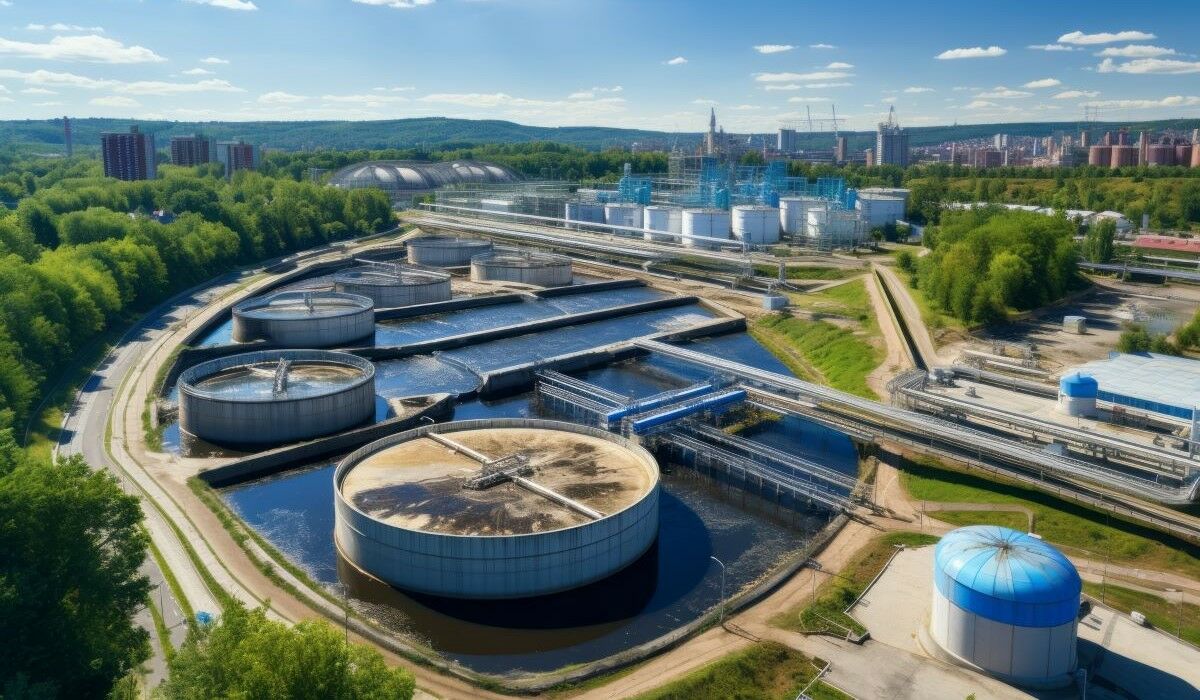
Ion chromatography plays a central role in environmental analysis, particularly in the investigation of water samples. It enables the reliable determination of inorganic anions such as nitrate, nitrite, sulfate, and phosphate, as well as cations such as ammonium, sodium, and calcium.
These parameters are essential for assessing water quality in drinking water, surface water, and wastewater. In addition, ion chromatography is used to monitor regulatory limits and therefore makes a significant contribution to environmental and public health protection.
Pharmaceutical industry
In the pharmaceutical industry, ion chromatography is used for the analysis of active ingredients, excipients, and finished products. A particular focus lies on the determination of ionic impurities as well as counterions in pharmaceutical salts.
Furthermore, ion chromatography is applied to analyze residues from synthesis processes and to verify the purity of ultra-pure water used in production. As such, it is an important analytical technique for quality assurance and compliance with regulatory requirements.
Frequently asked questions about Ion chromatography
Ion chromatography (IC) is a specialized analytical method used to analyze charged particles (ions) in liquids and determine their exact concentrations. For example, when a mixture of different salts is present in water, IC can identify and quantify the ions contained within it. It is therefore a highly precise technique for the analysis of ionic species.
A conductivity detector measures the electrical conductivity of a solution. After the ions have been separated in the separation column, they pass through the detector. The detector records the change in conductivity caused by the eluating ions.
This measurement is converted into a signal that is used for the identification and quantification of ions in the chromatogram.
The evaluation is carried out using a chromatogram, which displays detector signals as peaks over time. Identification of individual ions is achieved by comparing the retention times (the time required for an ion to pass through the column) of the sample peaks with those of known standards.
Quantification is typically performed by comparing the peak area (alternatively the peak height) of the sample with those of standards of known concentration. This allows for accurate determination of the amount of each individual ion in the sample.
The terms are closely related and often used interchangeably, but they describe different concepts. Ion exchange chromatography is a fundamental separation principle in which ions are separated based on their interactions with charged groups on the stationary phase.
Ion chromatography (IC) is the analytical technique that applies this principle—typically in combination with modern instrumentation such as pumps, columns, and detectors. IC is primarily based on ion exchange but also includes additional separation mechanisms.
High-performance liquid chromatography (HPLC) is a broad term for various chromatographic separation methods performed under high pressure. Ion exchange chromatography is a specific separation mechanism within liquid chromatography that focuses on the separation of charged ions.
Ion chromatography uses similar instrumentation to HPLC but is specifically designed for the analysis of ionic species.
Ion exclusion chromatography – a special form of IC
Ion exclusion chromatography is a variant of ion chromatography in which separation does not occur via ion exchange but through the exclusion principle. In this process, ions with the same charge as the stationary phase are repelled and therefore elute more quickly.
The separation is based on a combination of electrostatic exclusion (Donnan effect) and diffusion processes. This method is particularly suitable for the analysis of strong acids, bases, and organic acids.
Ion pair chromatography (IPC) differs from classical ion chromatography in that charged analytes are converted into neutral or less strongly charged complexes by adding an ion-pairing reagent. These can then be separated on a reversed-phase column, similar to HPLC. In contrast, ion chromatography is typically based on the direct separation of ions through ion exchange or related mechanisms.
In summary: Ion chromatography
Ion chromatography is based on the exchange of ions with a positive or negative charge. A polymer resin is used as a stationary phase, while as a rule the mobile phase is an ammonium salt compound (for the separation of anions) or a sulphonic acid (for the separation of cations).